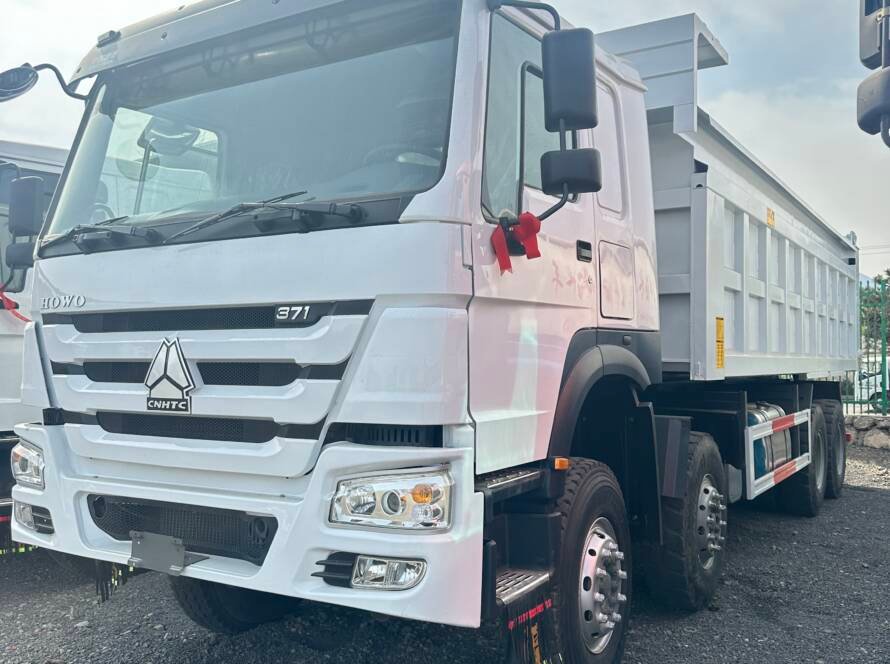
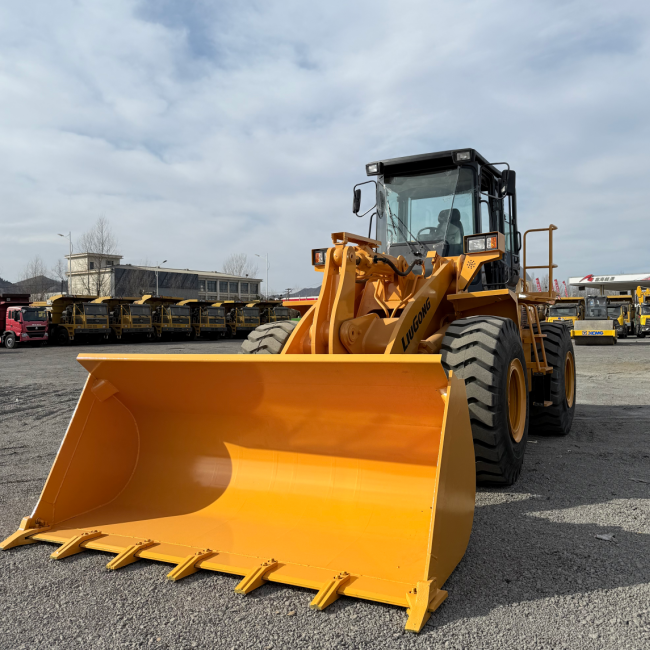
Dust is a common problem on construction sites, especially where excavators, loaders, dump trucks, and other heavy equipment move soil and building materials throughout the day. Dry ground, unpaved access roads, and piles of loose materials can produce airborne dust that affects visibility, worker comfort, and site cleanliness. For contractors managing these conditions, used HOWO water trucks can provide a practical way to support regular dust suppression without the initial expense of purchasing a new vehicle.
A used HOWO water tanker truck can transport water to different work areas and distribute it across construction roads, exposed soil, and material storage zones. Choosing the right truck depends on site size, water demand, road conditions, and the spraying equipment fitted to the vehicle.
Why Construction Sites Need Reliable Dust Suppression
Construction dust can come from several sources, including vehicle traffic, excavation, earthmoving, demolition, and the handling of sand or gravel. When trucks repeatedly travel over dry, unpaved surfaces, their tires disturb loose particles and release them into the air.
Regular water spraying helps dampen these surfaces and reduce the amount of dust stirred up by traffic. It can also help contractors maintain access roads and working areas during dry weather. However, dust control requires a consistent plan. Applying too little water may provide limited results, while excessive spraying can create muddy surfaces, standing water, or slippery conditions.
Used HOWO water trucks for construction sites can help contractors carry out scheduled spraying throughout the working day. The actual results depend on the water distribution system, application rate, weather, and characteristics of the surface being treated.
Key Features to Check in a Used HOWO Water Truck
Before purchasing a second-hand HOWO water truck, buyers should evaluate whether its configuration matches the site’s dust suppression requirements.
Water tank capacity: A larger tank may reduce the number of trips needed to refill, particularly on large construction projects. However, buyers should consider the vehicle’s rated load capacity, the weight of the water, and the site’s access conditions rather than selecting a truck based on tank size alone.
Spraying equipment: Check the condition and operation of the water pump, spray nozzles, pipes, valves, and controls. Different spray outlets may be suitable for different tasks, such as dampening access roads or applying water to selected work areas. Buyers should confirm which components are installed on the specific vehicle.
Chassis and tires: Construction sites often have uneven access roads, loose gravel, and changing ground conditions. Inspect the chassis, suspension, tires, and steering components for damage or excessive wear. These checks are particularly important when the truck will operate frequently on unpaved surfaces.
Engine and transmission: A water truck must travel between filling points and work zones while carrying a heavy load. Review the engine’s operating condition, transmission performance, maintenance records, and evidence of fluid leaks. A pre-purchase inspection can help identify repairs that may affect the vehicle’s suitability for daily work.
How to Match the Truck to Your Construction Site
Not every project needs the same type of water truck. Small construction sites may prioritize maneuverability and access to narrow roads, while large infrastructure projects may require greater water-carrying capacity and longer operating coverage between refills.
For projects with extensive unpaved roads, buyers should consider how much area needs spraying, how frequently vehicles pass through, and how far the water source is from the work zone. If the truck must move between several separate areas, travel distance and refill time can influence productivity as much as tank capacity.
The water truck should also suit the site’s surface conditions. Compact access roads may need a different spraying approach from loose soil or gravel areas. Buyers should verify the truck’s spray configuration and operating controls before deciding whether it can handle the intended tasks.
Searching for used HOWO water trucks for dust suppression is therefore not just about finding a vehicle at a suitable price. It is about matching tank capacity, spraying equipment, vehicle condition, and daily workload.
Managing Water Use and Daily Operations
Effective dust suppression requires more than frequent spraying. Contractors should establish a schedule based on traffic volume, weather, surface conditions, and the amount of dust generated during different work activities.
Operators should inspect the pump, hoses, nozzles, and water connections before work begins. Blocked nozzles or leaking pipes can lead to uneven water distribution and wasted water. After spraying, workers should check whether road surfaces remain suitable for heavy vehicle movement.
In hot or windy conditions, treated surfaces may dry quickly and require additional attention. On the other hand, heavy application can create muddy sections that slow down equipment and increase maintenance needs. A practical spraying plan helps balance dust reduction, water consumption, and site safety.
Regular maintenance also matters. Keeping service records, checking fluid levels, monitoring tire condition, and addressing small mechanical problems early can help reduce avoidable downtime.
Buying Used HOWO Water Trucks from a Reliable Supplier
When comparing used HOWO water trucks for sale, buyers should request clear vehicle details, available maintenance records, photographs, and information about the water tank and spraying system. Where possible, inspect the truck in person or arrange an independent mechanical assessment before making a purchase.
For overseas buyers, it is also useful to confirm vehicle specifications, export documentation, shipping arrangements, and the availability of replacement parts. These details can make a difference when a truck needs to be put to work soon after delivery.
Rhino Trucks offers used commercial vehicles for buyers evaluating equipment for different business and project requirements. When considering a used HOWO water truck, buyers can discuss the intended application and compare the available vehicle specifications with their construction site’s needs.
Conclusion
Used HOWO water trucks can be a practical option for construction companies that need regular dust suppression on unpaved roads, exposed soil, and active work areas. The best choice depends on tank capacity, spray system condition, vehicle reliability, site layout, and water requirements.
Before purchasing, assess the truck’s mechanical condition and confirm that its configuration suits the planned workload. By comparing these factors carefully, contractors can select a second-hand HOWO water tanker truck that supports effective dust control and day-to-day construction operations.