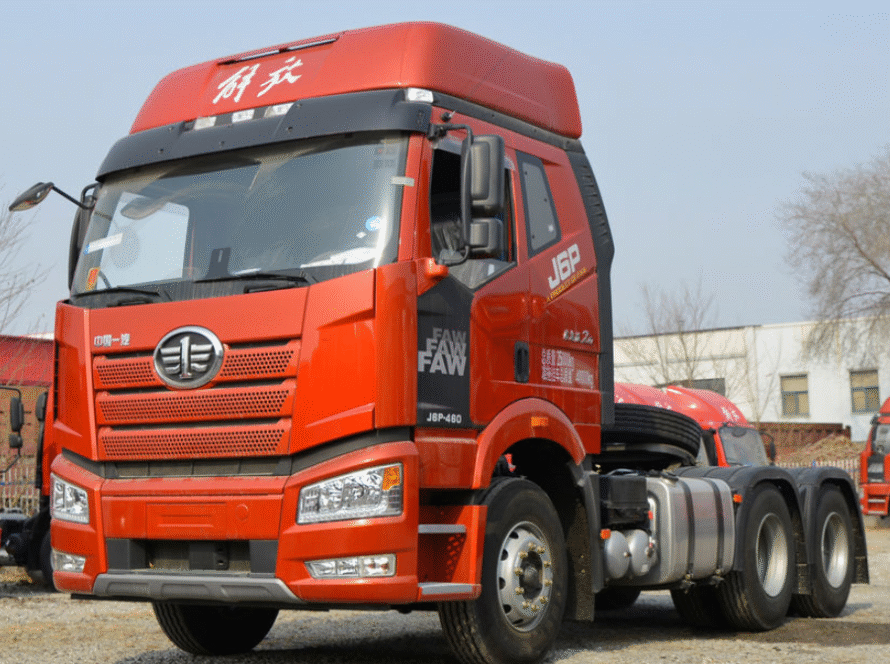
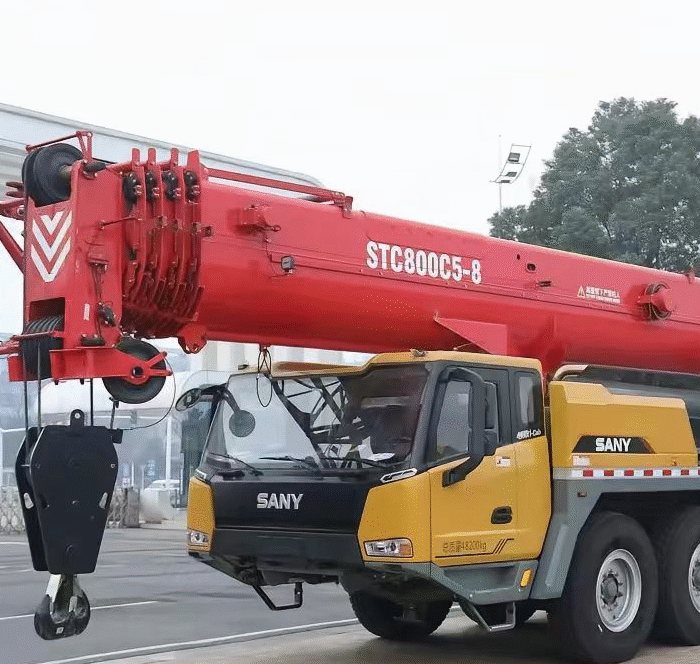
When purchasing used heavy-duty mining trucks, buyers need to look beyond the vehicle’s appearance and asking price. The right specifications determine whether a truck can handle daily hauling tasks, work efficiently with other mining equipment, and meet the practical requirements of a mining operation. Choosing a truck with unsuitable specifications may lead to inefficient loading cycles, unnecessary operating costs, or difficulties maintaining the fleet.
For mining contractors, quarry operators, and equipment distributors, understanding the most important specifications makes it easier to compare used heavy-duty mining trucks for sale and identify vehicles that fit their operational needs.
Rated Payload Capacity and Gross Vehicle Weight
Payload capacity is one of the first specifications buyers should review. It indicates how much material a truck is designed to carry under the manufacturer’s specified operating conditions. Gross vehicle weight, by comparison, includes the truck itself, its fuel, equipment, and cargo.
These figures should be evaluated together rather than treated as interchangeable measurements. A mining truck with a larger body does not necessarily offer a higher legal or permitted payload.
Buyers should consider the density of the materials being transported, the average hauling distance, and the number of trips expected per shift. Loose earth, crushed stone, and other bulk materials can have very different weights even when they occupy similar volumes.
When comparing used heavy-duty mining trucks for sale, check the manufacturer’s rated capacity and ensure that the intended loading method and working conditions are compatible with the truck’s design. Actual loading limits must also comply with applicable operating regulations.
Engine Power and Transmission Configuration
Engine power affects a mining truck’s ability to move heavy loads, climb gradients, and maintain practical travel speeds. However, maximum horsepower alone does not determine whether a truck is suitable for a particular mine.
Buyers should also examine torque characteristics, transmission type, available gear ratios, and the relationship between engine performance and the truck’s intended duty cycle. These factors influence how the vehicle responds during loaded starts, uphill travel, and repeated acceleration.
The transmission configuration should suit the terrain and operating pattern. A truck working on routes with frequent gradients may have different requirements from one operating on relatively level haul roads.
For businesses sourcing second-hand heavy-duty mining trucks, reviewing engine and transmission specifications together provides a more realistic basis for comparing different vehicle configurations.
Truck Dimensions and Turning Requirements
Overall length, width, height, wheelbase, and turning radius are important when evaluating whether a truck can operate within a mine’s physical layout.
A large truck may offer advantages for bulk transportation, but its dimensions can also affect maneuverability around loading areas, intersections, dumping points, and maintenance facilities. Buyers should confirm that the vehicle can access the required working areas without creating unnecessary traffic conflicts.
The loading and unloading arrangement also matters. The truck must be compatible with the available loading equipment and have sufficient clearance at its designated dumping location.
Before purchasing used mining dump trucks, compare the vehicle’s dimensional specifications with the mine’s access restrictions, loading arrangements, and unloading space. This helps buyers assess practical compatibility rather than relying on payload figures alone.
Dump Body Design and Hydraulic Specifications
For mining dump trucks, the dump body and hydraulic system directly affect material handling. Buyers should check the body type, internal dimensions, material suitability, lifting mechanism, and hydraulic system specifications.
The body should be appropriate for the materials being transported. Different materials can vary in density, abrasiveness, moisture content, and tendency to stick to the body. These characteristics influence how easily the load can be discharged and how the body performs during repeated cycles.
Hydraulic specifications should also be reviewed, including the lifting arrangement and the system’s stated operating requirements. Buyers should confirm that the lifting mechanism is suitable for the truck’s intended load and unloading conditions.
When evaluating a used heavy-duty mining dump truck, check whether the body configuration and hydraulic arrangement match the operation’s material-handling process. This can help prevent a mismatch between the vehicle and the site’s loading and dumping procedures.
Axle Configuration, Tires, and Ground Clearance
Axle configuration affects how vehicle weight is distributed and how the truck is configured for its intended application. Tire size and type, meanwhile, influence compatibility with the working surface, while ground clearance affects the vehicle’s ability to pass over surface irregularities.
These specifications should be considered in relation to the mine’s operating environment and maintenance arrangements. Buyers should verify tire availability, replacement options, axle specifications, and the manufacturer’s recommended configurations.
It is also useful to compare the truck’s dimensions and axle arrangement with the site’s operating requirements. A specification that works well in one mine may not be the best choice for another with different road geometry, material conditions, or vehicle movement patterns.
For international buyers, checking whether suitable replacement tires and related components can be sourced locally may also help simplify long-term fleet planning.
Maintenance Access and Parts Availability
A truck’s specifications should make sense not only for daily operation but also for routine servicing. Engine layout, service access, component design, and the availability of compatible replacement parts can influence maintenance planning.
Buyers should review the manufacturer’s maintenance recommendations and identify the service requirements for major systems. They should also confirm the availability of technical documentation and replacement components in the intended operating market.
When sourcing used mining trucks from overseas, parts availability and service support deserve particular attention. A vehicle that meets the operational requirements may still create difficulties if essential components are difficult to obtain.
Rhino Trucks can be included in the sourcing process when buyers compare used commercial vehicles for export. Buyers should confirm the specifications, configuration, documentation, and available support for each individual vehicle before making a purchasing decision.
Conclusion
The most important specifications for used heavy-duty mining trucks are those that match the actual requirements of the operation. Rated payload, engine and transmission configuration, overall dimensions, dump body and hydraulic design, axle and tire specifications, and maintenance access should all be evaluated together.
Rather than selecting a truck based on one impressive figure, buyers should compare the complete specification sheet with their loading equipment, material type, mine layout, servicing capabilities, and purchasing budget. A structured evaluation helps mining businesses and equipment distributors identify suitable used heavy-duty mining trucks and make more informed purchasing decisions.