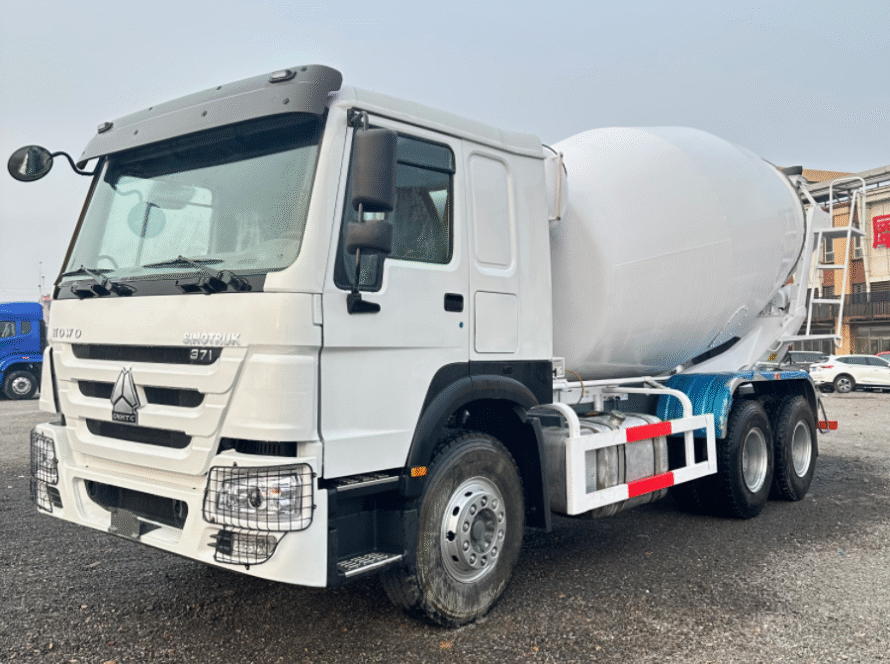
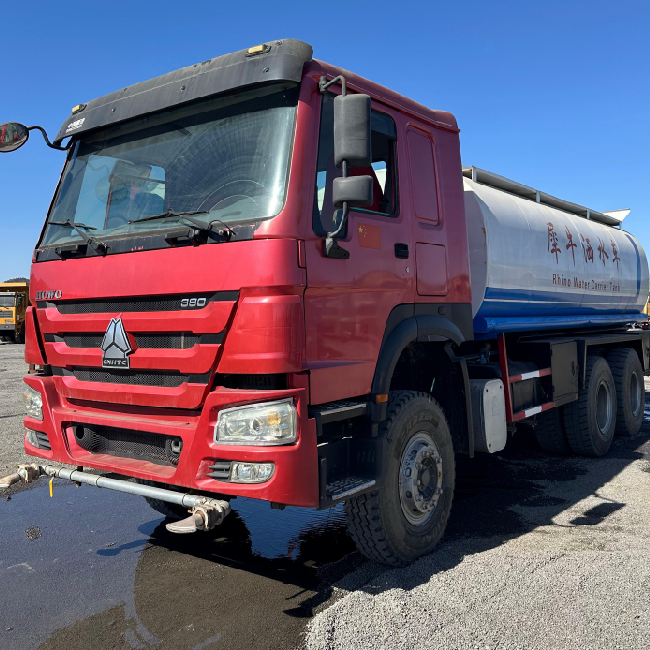
When choosing a used HOWO water truck, buyers often pay attention to tank capacity, engine performance, and overall vehicle condition. However, water tank weight distribution is another important factor that affects driving stability and daily operation.
Unlike solid cargo, water moves inside the tank as the vehicle accelerates, brakes, and turns. This movement can change how the vehicle responds to different driving conditions. Understanding the relationship between tank loading and vehicle stability helps buyers make better purchasing decisions and operators use their trucks more safely.
How Water Weight Changes the Vehicle’s Center of Gravity
The position of the water tank and the amount of water inside it both influence the vehicle’s center of gravity. When the tank is filled, the additional weight increases the overall vehicle mass. If the water tank is mounted too high or its weight is not properly distributed, the truck may become more sensitive to body movement.
A higher center of gravity can increase the risk of excessive body roll when the vehicle turns or travels across uneven ground. This is particularly important for water trucks operating on construction sites, rural roads, and other surfaces that are not perfectly level.
When evaluating a used HOWO water truck, buyers should consider the tank mounting position, support structure, and relationship between tank dimensions and chassis design.
Why Front and Rear Axle Loads Matter
Water tank weight is transferred through the vehicle chassis to the front and rear axles. If the tank is positioned incorrectly or the load is unevenly distributed, one axle may carry more weight than intended.
Excessive front axle loading can affect steering response and place additional stress on steering components. Too much weight on the rear axle can increase the load on rear tires, suspension components, and the chassis.
A properly designed water truck should distribute its loaded weight within the vehicle’s rated axle limits. Buyers should check the manufacturer’s specifications, gross vehicle weight rating, and permitted axle loads before purchasing.
It is also important to remember that adding water changes the vehicle’s total operating weight. The truck should not exceed its rated capacity simply because the tank has available space.
How Water Movement Affects Driving Stability
Water does not remain completely still inside a partially filled tank. When the truck accelerates, brakes, or changes direction, water moves and creates shifting forces inside the tank. This effect is commonly known as liquid surge or sloshing.
During sudden braking, water can move toward the front of the tank. When the vehicle accelerates, the water shifts toward the rear. During cornering, it can move toward one side.
These movements may affect vehicle balance and make steering responses less predictable, especially when the tank is only partially filled.
Some water tanks use internal baffles to reduce excessive water movement. These structures help control liquid surge and improve load stability. Buyers looking for used HOWO water trucks for sale should ask about the tank’s internal structure and check whether the baffles are damaged or missing.
Why Tank Mounting and Chassis Condition Are Important
Even a well-designed water tank cannot provide stable operation if it is not securely mounted to the chassis. Tank brackets, mounting points, support beams, and connecting components all contribute to the overall structure.
Loose mounting bolts, cracked supports, or corrosion around the tank mounting area may allow unwanted movement during operation. This can affect vehicle stability and cause further structural damage over time.
When inspecting a second hand HOWO water truck, buyers should examine the tank mounting points and the chassis beneath the tank. They should also look for signs of previous repairs, deformation, and corrosion.
The tank should remain firmly secured under normal operating conditions, with no visible movement between the tank and chassis.
How Weight Distribution Affects Braking and Turning
A fully loaded water truck behaves differently from an empty one. The additional water weight increases the vehicle’s total mass, which means the braking system must manage a greater load.
Uneven weight distribution can also affect tire contact and vehicle handling. During cornering, a high center of gravity combined with sudden water movement may increase the risk of excessive body roll.
Drivers should adjust their speed according to road conditions, especially when turning, braking on downhill roads, or driving over uneven surfaces. Smooth acceleration and gradual braking can also help reduce sudden liquid movement inside the tank.
For buyers, checking the braking system, tires, suspension, and axle condition is an important part of evaluating the overall performance of a used water tanker truck.
What Buyers Should Check Before Purchasing a Used HOWO Water Truck
Before purchasing a used HOWO water truck, buyers should look beyond tank capacity and examine how the tank is designed and installed.
Important points include:
- Tank mounting: Check brackets, bolts, and support structures for damage or looseness.
- Tank condition: Look for corrosion, deformation, leakage, and previous repairs.
- Internal baffles: Confirm that internal structures designed to control water movement are in good condition, if fitted.
- Chassis and axles: Inspect the frame, suspension, and axle condition.
- Weight ratings: Confirm that the loaded vehicle remains within its rated gross weight and axle limits.
Rhino Trucks provides used commercial vehicle options for overseas buyers. If you are searching for a used HOWO 380 water truck or other used HOWO water trucks for sale, contact Rhino Trucks to discuss your required tank configuration, vehicle condition, and intended application.
Conclusion
Water tank weight distribution plays an important role in the stability of used HOWO water trucks. Tank position, water movement, axle loading, mounting strength, and chassis condition all influence how the vehicle performs during daily operation.
For buyers, choosing a suitable water truck means looking beyond tank capacity. A properly matched tank and chassis, combined with sound vehicle condition and appropriate loading practices, can support safer and more stable operation.
Looking for a used HOWO water truck for your business? Contact Rhino Trucks today to explore available vehicles, discuss your requirements, and request a quotation.